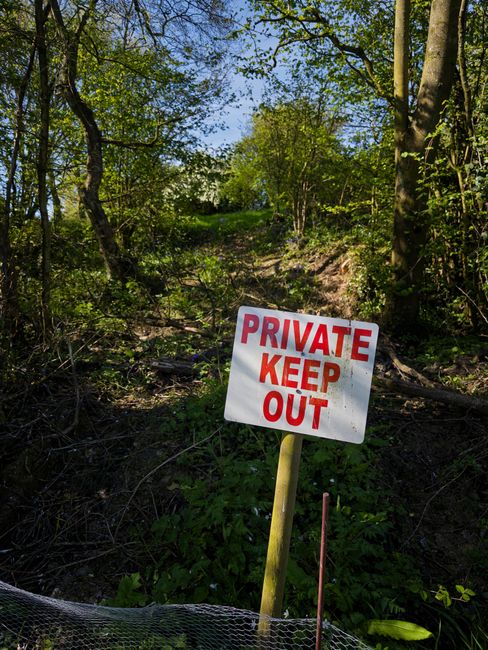
Reasons gardeners may refuse jobs with difficult access in Downham
It can feel a bit frustrating when a gardener says no to a job that seems straightforward enough from the street. But in real life, Reasons gardeners may refuse jobs with difficult access in Downham are usually practical, not personal. Tight side passages, no rear gate, steep steps, awkward parking, heavy waste loads, or a garden hidden behind a shared walkway can turn a simple trim into a day that is slow, risky, and expensive to complete.
For homeowners, landlords, and property managers, knowing where the refusal comes from helps you plan better and avoid surprises. For gardeners, it is often about protecting people, equipment, and the quality of the work. This guide breaks down why access matters, how professionals assess it, and what you can do to make the job more workable. We'll also cover the common mistakes people make, sensible best practices, and when a different service such as garden clearance, garden maintenance, or landscaping may be the better fit.
In Downham, where gardens can vary from neat suburban plots to awkward back access properties and shared driveways, access is not just a convenience. It can be the difference between a job that runs smoothly and one that becomes messy fast. Truth be told, a lot of problems are avoidable with a little planning.
Table of Contents
- Why difficult access matters in Downham
- How gardeners assess access and decide
- Key benefits of being upfront about access
- Who this is for and when it makes sense
- Step-by-step guidance for customers
- Expert tips for better results
- Common mistakes to avoid
- Tools, resources and recommendations
- Law, compliance, standards and best practice
- Options and comparison table
- Case study or real-world example
- Practical checklist
- Conclusion
- Frequently Asked Questions
Why Reasons gardeners may refuse jobs with difficult access in Downham Matters
Access issues affect nearly every part of a gardening job: time, safety, labour, waste removal, and even whether the work can be completed to a decent standard. If a gardener cannot get tools and materials to the work area without damaging fencing, treading through a home, or carrying heavy loads a long distance, the job stops being simple. It starts to become inefficient and, sometimes, unsafe.
There is also a fairness issue. A quote for an easy-access garden usually assumes ordinary set-up and pack-down times. If the work involves squeezing through narrow alleys, carrying hedge cuttings across a property, or climbing repeated steps with bags of soil, the original price may no longer reflect the real effort. Nobody likes that conversation after the fact, least of all the customer.
In practice, many gardeners would rather decline a job than rush it, underprice it, or put themselves in a position where they might damage paving, scratch paintwork, or injure themselves. That is especially true for work involving bulky waste, wet ground, or powered equipment. A refusal can actually be a sign of professionalism. A slightly annoying one, maybe, but still professionalism.
There is another reason it matters locally. Downham properties can have all sorts of access arrangements: side gates that are too narrow for wheelbarrows, shared paths with neighbours, rear gardens with no direct vehicle access, or entrances blocked by stored items. Without clear access information, a simple hedge trim can morph into a logistical puzzle. And as anyone who has done a garden job in damp weather knows, a muddy route makes everything feel twice as awkward.
How Reasons gardeners may refuse jobs with difficult access in Downham Works
Most experienced gardeners follow a fairly similar process. They do not just look at the garden size; they look at how the work will actually be carried out. The access question comes early, often during the first call, quote request, or site visit.
What they are looking for
- Entry width: Can a mower, wheelbarrow, stump grinder, hedge trimmer, or waste bag get through safely?
- Distance to the work area: Is it a short carry or a long haul through the property?
- Ground conditions: Are there steep slopes, slippery surfaces, or soft areas that could sink under load?
- Parking and loading: Can the vehicle stop legally and safely near the property?
- Waste removal route: Can cuttings, branches, soil, or rubble be moved out without causing disruption?
- Risk to people and property: Are there narrow doors, glass panels, ornaments, tight corners, or pets underfoot?
A gardener may decide the job is manageable with a higher quote, extra time, or different tools. Or they may decline if access makes the work disproportionately risky. For example, a small hedge trim is one thing. But if every bag of clippings must be carried through a house, up steps, and around furniture? That is no longer a normal garden tidy-up.
Often, the decision is not absolute. It is based on the combination of factors. A narrow access path on its own may be fine. Narrow access plus heavy waste, plus poor parking, plus a steep slope can tip the balance quickly.
Why gardeners may say no rather than "we'll manage"
Because "we'll manage" can become "we'll just about survive" very quickly. Gardeners think about repetitive lifting, awkward posture, trip hazards, and how long the work will take once the practical reality kicks in. If a job is likely to be slow and physically punishing, they may refuse rather than compromise on quality or safety.
That is particularly true for services like hedge trimming and lawn mowing, where clean access to the working area really matters. The same applies to bigger jobs such as tree work, which may need specialist handling or safer site conditions. In those cases, gardeners often point customers towards tree lopping and removal when the work is more substantial than a standard maintenance visit.
Key Benefits and Practical Advantages
When access is discussed honestly before the job starts, everybody tends to win a bit. No dramatic surprises, no awkward add-ons, no day spent moving a mower through a bottleneck while muttering under your breath.
- Clearer quotes: The price is more likely to reflect the real amount of labour involved.
- Better scheduling: The right team, vehicle, and equipment can be assigned.
- Reduced damage risk: Narrow routes, walls, doors, and paving are less likely to be scratched or dented.
- Safer working conditions: Fewer trips, fewer lifts, less chance of slips or strains.
- Better results: A garden that is hard to access often needs a slower, more careful approach.
- Less stress for the customer: You know where you stand before work begins.
A lot of people assume a refusal is a dead end. It often isn't. More commonly, the answer is: not in this form, not at this price, or not without a different plan. That distinction matters. A gardener may still be willing to help if access is clarified and the job is scoped properly.
There is also a trust benefit. If a contractor is open about access limits instead of forcing the issue, it usually signals a more responsible way of working. That tends to carry through into everything else, from communication to finish quality. In a local market like Downham, that sort of reliability matters a great deal.
Who This Is For and When It Makes Sense
This topic is most useful if you are one of the following:
- a homeowner with a back garden that has awkward or limited entry
- a landlord trying to arrange regular upkeep between tenancies
- a letting agent or property manager dealing with shared access issues
- a homeowner planning a one-off tidy-up after a long period of neglect
- someone comparing prices for pricing and quotes and wondering why access changes the figure
It makes sense to think about access before you book any work that involves bulky waste, powered tools, or repeated visits. That includes larger maintenance tasks, seasonal cut-backs, or jobs where materials need to be removed rather than just cut and left. If the route to the garden is as tidy as the garden itself, fine. If not, you may need to brief the gardener in detail.
For some properties, the right answer is to split the work into stages. For others, it might mean choosing a different service such as garden clearance first, then bringing in maintenance afterwards. A bit of sequencing can save hassle. A lot of hassle, actually.
Step-by-Step Guidance
If you want a gardener to accept a difficult-access job in Downham, or at least give you a fair answer, the best approach is straightforward. Be accurate, send clear details, and do not hide the awkward bits. They will come out eventually anyway.
- Measure the access properly. Check side gate width, step height, path width, and any corners where equipment might snag.
- Describe the route from vehicle to garden. Mention whether tools need to pass through a house, garage, communal hallway, or shared alley.
- Explain the work itself. A small hedge trim is different from a full cut-back, waste haul, or overgrown clearance.
- Share photos from several angles. Include the gate, the route, the garden, and any obstacles. A photo of the problem is worth five vague descriptions.
- Ask how the gardener prefers to work. Some bring smaller tools, some need clear parking, and some only take on jobs with direct rear access.
- Expect a revised quote if needed. If access increases labour or risk, a price adjustment is normal.
- Confirm the plan before the day. Lock in parking, entry arrangements, and the area where waste will be stored.
If access is borderline, you might be asked to move pots, unlock side gates, or provide a clear loading space. Sometimes that is enough. Sometimes it is not. Fair enough. The point is to know where the line is before the van arrives.
When the garden is especially overgrown or cluttered, a gardener may advise a preparatory tidy before regular work can begin. In those cases, it helps to review the company's wider services overview so you can match the job to the right type of visit.
Expert Tips for Better Results
Here's the part many people skip, and then wonder why the quote came back high. Access is not just a practical detail; it shapes the entire job. A few small adjustments can make a big difference.
Tip 1: Send the real access picture, not the optimistic version
That side gate that "should be fine" but sticks in winter? Mention it. The shared path with bikes, bins, or garden furniture? Mention it. Gardeners would rather know the awkward truth up front than discover it while carrying a wet hedge bag through a narrow squeeze.
Tip 2: Separate "hard access" from "impossible access"
Hard access may just mean extra labour. Impossible access usually means equipment cannot safely pass, or waste cannot be removed without causing damage. The difference matters when negotiating a quote or choosing a service.
Tip 3: Keep the route as clear as possible
If you can move bikes, toys, planters, logs, or old bags before the visit, do it. It sounds small, but it saves time and reduces the chance of knock-on damage. That little bit of preparation often turns a maybe into a yes.
Tip 4: Ask about alternative methods
Some work can be done with smaller tools, manual collection, or a staged approach. Other jobs may need specialist support. A good contractor will tell you honestly whether the access issue can be managed or whether it is better to look at a different solution such as landscape gardening or landscaping if the site needs more structural work.
Tip 5: Don't assume all gardeners have the same kit
Some teams are set up for compact domestic gardens. Others are better equipped for larger or messier sites. The right fit matters. A refusal is sometimes simply a sign that the job is better suited to someone else's setup.
Common Mistakes to Avoid
Most access-related problems come from a few predictable errors. They are easy to make, especially if you only think about the garden itself and not how someone gets in, out, and around it.
- Giving incomplete information: Leaving out the narrow gate or shared access route creates avoidable surprises.
- Underestimating the weight of the work: Wet clippings, soil, and branches are heavier than they look.
- Assuming "small job" means "simple access": A small job can still be awkward if the route is tight.
- Not checking parking: Long carries from far away can make a short visit uneconomical.
- Booking the wrong service: A clearance issue may be better handled as a clearance job, not a standard trim.
- Ignoring shared access rules: Neighbours, leaseholders, or managing agents may need to be informed first.
One subtle mistake is treating access as a one-time question. It is not. A route that works in summer may be muddy and slippery in winter. A gate that opens fully in the morning may be blocked later by bins or parked cars. Slightly annoying, yes. But very real.
Another common issue is asking for "just a quick price" without photos. A seasoned gardener can sometimes estimate from description alone, but a photo saves a lot of back-and-forth and reduces guesswork.
Tools, Resources and Recommendations
You do not need specialist equipment to prepare a difficult-access garden quote request, but a few practical tools help a lot:
- a tape measure for gate widths and path clearances
- a phone camera for photos of access points, steps, and obstacles
- a simple note of parking restrictions or loading limitations
- basic gloves and bags if you are clearing visible clutter first
- a list of any pets, locked gates, or shared-entry arrangements
From a service perspective, it can help to think in terms of the type of work needed, not just the garden size. If the space needs regular upkeep, garden maintenance may be more suitable than one-off fixes. If the access is manageable but the growth is dense, hedge or tree-specific services may make more sense. And if the site is full of debris or old plant material, a proper clearance approach may be the cleanest option.
If you are reviewing a company before booking, it is sensible to look at their about us, insurance and safety, and health and safety policy pages. Those pages can tell you a lot about how seriously they take risk, access, and site control. Not glamorous reading, no. Still useful.
Law, Compliance, Standards and Best Practice
When difficult access is involved, best practice matters. Gardeners have a general duty to work safely and to avoid exposing themselves or others to unnecessary risk. That usually means following safe lifting methods, using suitable equipment, keeping routes clear where possible, and refusing work that cannot be done without unreasonable danger.
There is no single rule that says a gardener must accept every job. In fact, a professional refusal can be the safer and more ethical choice where access creates a serious hazard. This may involve:
- unsteady steps or surfaces
- restricted lifting space
- poor lighting in access routes
- unsafe manual handling distances
- damage risk to the property or neighbouring premises
Good practice also includes clear communication about liability, site conditions, and customer responsibilities. If a contractor explains what access is needed, what happens if conditions change, and what is excluded from the quote, that is usually a healthy sign. For service details, terms, and payment expectations, you can also review terms and conditions and payment and security.
On the environmental side, many clients now prefer responsible waste handling. If that matters to you, it is worth checking a provider's approach to recycling and sustainability. That does not fix access problems on its own, but it does show whether the business thinks carefully about disposal and site impact.
Options, Methods, or Comparison Table
Not every awkward garden needs the same response. Sometimes a refusal is the right call. Sometimes a revised scope works. Sometimes the job is simply better split into smaller pieces. Here is a straightforward comparison.
| Approach | Best for | Pros | Cons |
|---|---|---|---|
| Proceed as quoted | Access is narrow but workable | Fast, simple, lowest disruption | Only suitable if tools and waste can move safely |
| Revise the quote | Access adds time or labour | More realistic pricing, better planning | Costs more than a standard visit |
| Split the work into stages | Overgrown or cluttered gardens | Lower strain, easier logistics, safer progress | Takes longer overall |
| Choose a different service | Site needs bigger clearance or redesign | Better match to the job, better outcome | May involve more planning |
| Decline the job | Access is unsafe or impractical | Protects people and property | Requires finding another option |
For most customers, the best outcome is not the cheapest one; it is the one that is clear, safe, and properly matched to the property. That is boring advice in a way, but boring can be good. Boring means predictable. Predictable means fewer headaches.
Case Study or Real-World Example
Here is a realistic example from the kind of situation many Downham residents recognise. A homeowner wants a hedge cut back and the lawn tidied before a family gathering. On the phone, the garden sounds easy enough. But when the details come through, the only rear access is a narrow side passage with two tight turns, one low brick step, and no place to park directly outside for long.
The gardener has two choices. They could try to force the job through the narrow route, accept the strain, and risk taking longer than planned. Or they can explain that the access makes the job inefficient and propose either a revised quote or a different plan. In this case, after photos were shared, it became obvious that hedge cuttings would need to be bagged and carried by hand over a long distance. The visit was still possible, but only with a higher labour allowance and a clear waste plan.
That kind of honest conversation saves everyone trouble. The customer gets a realistic expectation. The gardener avoids being rushed. And the garden still gets done properly, which is the whole point really.
Sometimes the more difficult access routes actually reveal a deeper issue too: the site may need initial clearance before routine upkeep can resume. In those cases, a one-off tidy can lead neatly into ongoing garden maintenance once the garden is manageable again.
Practical Checklist
Use this checklist before requesting a quote or booking a visit for a garden with tricky access:
- Have you measured the gate, path, and step widths?
- Can a mower, wheelbarrow, or waste bag get to the work area?
- Is there a safe place for the vehicle to stop nearby?
- Will tools or waste need to pass through the house?
- Are there shared routes, neighbours, or permissions to consider?
- Have you taken clear photos of the access route?
- Have you explained any slopes, slippery areas, or poor lighting?
- Have you said whether the work is a trim, clearance, or larger project?
- Have you checked whether the garden needs garden clearance before maintenance?
- Have you reviewed the company's service overview and practical policies?
Key takeaway: the more clearly you describe access, the more likely you are to get an accurate answer, a fair quote, and a smoother job on the day. That is the short version. The longer version is everything above this line.
Conclusion
The main Reasons gardeners may refuse jobs with difficult access in Downham usually come down to safety, labour, equipment movement, waste handling, and the risk of damaging property. None of that is especially glamorous, but it is exactly the kind of detail that decides whether a job runs well or becomes a slog.
If you are arranging work yourself, the best thing you can do is be clear, honest, and practical. Share photos, measure the route, describe the real obstacles, and be open to a revised scope if needed. That approach gives you the best chance of a sensible outcome, even when access is awkward.
And if a gardener does refuse? It is not necessarily a rejection of your garden or your request. More often, it is a sign that they know their limits and are trying to avoid a poor result. In the long run, that kind of honesty is worth quite a lot.
Get a free quote today and see how much you can save.
Frequently Asked Questions
Why would a gardener refuse a job because of access?
A gardener may refuse if the route to the garden is too narrow, too steep, too far from parking, or too risky for carrying tools and waste safely. Refusal is often about protecting people and property.
Does difficult access always mean the job cannot be done?
No. In many cases, difficult access just means the quote may be higher, the job may take longer, or the work may need to be split into stages. It depends on the exact route and the amount of work.
What access details should I give before asking for a quote?
Give gate width, step height, parking distance, route length, and any obstacles like bins, bikes, slopes, or shared pathways. Photos help a lot, especially if the garden is hard to describe.
Can a gardener charge more for awkward access?
Yes, that is normal. Extra labour, longer carry distances, and additional risk can all affect pricing. A fair quote should reflect the actual time and effort involved.
Is a narrow side passage a deal-breaker?
Not always. If the passage is wide enough for tools and waste bags, the job may still be fine. If equipment cannot pass safely, then it becomes much harder to complete efficiently.
What if the gardener has to go through my house?
That can be possible, but many gardeners prefer not to move waste or bulky equipment through a home because it increases the risk of damage, mess, and delays. Always ask first.
Should I clear the route before the gardener arrives?
Yes, if you can. Removing toys, pots, bikes, and clutter makes access easier and reduces the chance of bumps or trips. It is one of the simplest ways to help.
Are difficult access jobs more common in Downham?
They are common anywhere properties have shared entrances, narrow side access, older layouts, or limited parking. Downham has a mix of property types, so awkward access does come up often enough.
Would a garden clearance service be better than standard maintenance?
If the garden is overgrown, full of debris, or hard to reach with normal maintenance tools, a clearance-first approach can make more sense. After that, regular upkeep is usually easier.
How do I know if my garden is too difficult for a standard visit?
If you cannot get a wheelbarrow or tools to the garden without squeezing, carrying everything through the house, or navigating unsafe steps, it may be too difficult for a standard visit. A site photo usually settles the question quickly.
What should I do if one gardener refuses but another may accept?
Send the same accurate details to the next gardener and ask how they would handle the access. Different teams have different equipment, methods, and tolerance for difficult sites.
Can difficult access affect hedge trimming and tree work differently?
Yes. Hedge trimming may be manageable with smaller tools, while tree work often involves larger cuttings and stricter safety needs. The harder the access, the more important the job type becomes.
How can I make my quote request easier to assess?
Be specific, include photos, mention parking, and say whether the job is a quick tidy, a clearance, or a bigger redesign. If you are unsure, ask the contractor what they need to know. That alone saves time.