Bromley Council Garden Bonfire and Disposal Rules for Downham: What Residents Need to Know
If you live in Downham and you are planning a tidy-up, the rules around a garden bonfire can feel a bit murky. One minute you are staring at a pile of damp branches and hedge cuttings, the next you are wondering whether you can light it, bag it, chip it, or just wait for another day. This guide to Bromley council garden bonfire and disposal rules for Downham cuts through the confusion and focuses on the practical side: what is normally acceptable, what tends to cause complaints, and how to deal with garden waste without making life harder for yourself or your neighbours.
To be fair, most people are not trying to be careless. They just want the garden clear and the job done sensibly. The trouble is that bonfires, smoke, and mixed garden waste can quickly turn a simple cleanup into a nuisance issue. So let's look at the local realities, the usual expectations, and the cleaner alternatives that often make more sense anyway.
Table of Contents
- Why Bromley council garden bonfire and disposal rules for Downham Matters
- How Bromley council garden bonfire and disposal rules for Downham Works
- Key Benefits and Practical Advantages
- Who This Is For and When It Makes Sense
- Step-by-Step Guidance
- Expert Tips for Better Results
- Common Mistakes to Avoid
- Tools, Resources and Recommendations
- Law, Compliance, Standards, or Best Practice
- Options, Methods, or Comparison Table
- Case Study or Real-World Example
- Practical Checklist
- Conclusion
- Frequently Asked Questions
Why Bromley council garden bonfire and disposal rules for Downham Matters
Garden waste is one of those things that seems harmless until it is not. A small bonfire can create smoke that drifts across gardens, settles into open windows, and lingers in washing on the line. In a place like Downham, where homes are fairly close together in many streets, that matters more than people sometimes expect. Neighbours notice. Councils notice. And if the weather is still, the smoke sits there like it has nowhere better to be.
The main reason these rules matter is simple: they help reduce nuisance, protect air quality, and stop avoidable friction between neighbours. Nobody wants to be that house. You know the one. The fire that starts "just for a bit" and ends up making half the street shut their windows at 8pm. Not ideal.
There is also a broader practical reason. Burning the wrong materials can create unpleasant smoke and can make the fire harder to control. Disposal is not just about getting rid of waste; it is about doing it in a way that is safe, tidy, and not likely to create a complaint. If you are handling bigger amounts of cuttings after a hedge trim, garden clearance support can save time and reduce the hassle quite a lot.
And if you are working through the garden regularly rather than doing one big seasonal clear-out, good maintenance habits usually make disposal easier from the start. A little goes a long way, honestly.
How Bromley council garden bonfire and disposal rules for Downham Works
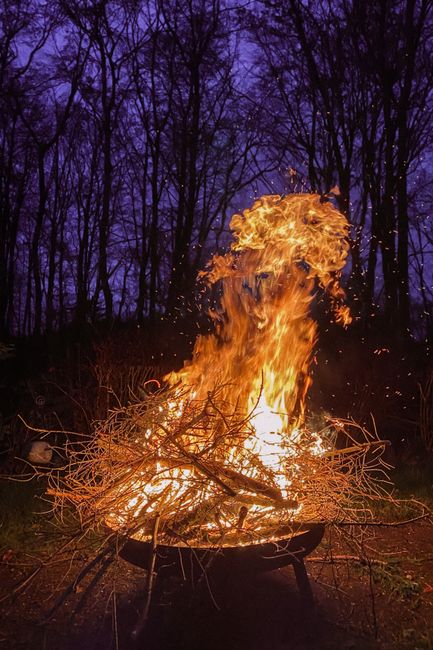
The practical rule of thumb is that you should treat bonfires as a last resort, not the default method of garden waste disposal. Local councils generally care less about the fact that a fire is in a garden and more about whether it causes nuisance, smoke, or safety problems. That means timing, weather, material choice, and common sense all matter.
In plain English, this usually means:
- Only burn dry, untreated garden waste if burning is allowed and truly necessary.
- Avoid lighting fires in windy or damp conditions, when smoke will drift or hang around.
- Never burn household rubbish, plastics, painted timber, rubber, or anything chemically treated.
- Keep the fire small, supervised, and fully under control.
- Be considerate of neighbours, especially if they have open windows, children, or respiratory issues.
Garden disposal works better when you separate waste by type. Soft green waste, woody material, soil, and bulky cuttings each behave differently. A lot of the frustration comes from mixing everything together in one pile and hoping the problem solves itself. It rarely does.
If your work includes mowing, hedge clipping, or a full seasonal tidy-up, regular upkeep can reduce the amount of waste that needs dealing with at once. Services such as garden maintenance, hedge trimming, and lawn mowing often help keep waste volumes manageable in the first place.
A quick but important note: council expectations can change, and specific nuisance enforcement is usually handled on a case-by-case basis. So while the general principles are stable, you should always check the most current local guidance if you are unsure. That cautious approach is better than assuming an old habit is still acceptable.
Key Benefits and Practical Advantages
Following sensible disposal rules is not just about avoiding trouble. There are real advantages, and some are more obvious than others.
- Less neighbour conflict: Proper disposal prevents smoke complaints and awkward conversations over the fence.
- Cleaner garden finish: Removing waste properly leaves the space ready to use, rather than half-cleared.
- Lower fire risk: Dry storage, controlled handling, and avoiding unnecessary burning reduce hazards.
- Better for the garden: Compostable waste can often be reused rather than wasted.
- Less disruption: A tidy disposal method usually means less time spent babysitting a fire or cleaning up after it.
There is also a quieter benefit: you simply feel more on top of the job. A pile of branches in the corner of the garden has a way of nagging at you. Clear it properly, and the whole space feels calmer. Sounds small, but it matters.
For bigger jobs, it can be worth thinking about disposal as part of the whole project, not the last annoying bit at the end. If your garden has also become overgrown or cluttered with bulky waste, services overview pages can help you see how clearance, trimming, and maintenance work together.
Who This Is For and When It Makes Sense
This topic matters most if you are one of these people:
- Homeowners doing a seasonal tidy-up in Downham.
- Landlords preparing a property between tenancies.
- Residents dealing with hedge cuttings, branches, and leaf fall after a large prune.
- People with small gardens who do not have much storage space for waste.
- Anyone weighing up whether to burn, bag, compost, or arrange removal.
It also matters if you have neighbours close by, which is most of Downham in one form or another. A tiny fire in a compact back garden can produce more nuisance than a much larger one in a more open setting. That is the thing people sometimes miss. Context changes everything.
Bonfires may seem sensible if you only have a few bags of dry cuttings and no collection option, but they make less sense when the pile includes damp material, dense branches, or mixed waste. In those cases, disposal by collection or professional clearance is usually cleaner and less stressful.
Step-by-Step Guidance
If you want the least fuss, follow a simple process. No drama, no guessing, no half-finished plan at dusk.
- Sort the waste. Separate green clippings, woody branches, soil, and anything that should never be burned.
- Check whether burning is actually necessary. If the waste can be composted, mulched, or collected, that is often better.
- Look at the weather. Still, dry conditions are generally safer than windy or damp weather. If smoke would drift, do not light up.
- Keep the pile small. Big bonfires are harder to control and more likely to become a nuisance.
- Clear the area around the fire. Remove dry leaves, tools, bins, and anything flammable nearby.
- Stay with it. A bonfire should never be left unattended. Ever.
- Have water ready. A hose, watering can, or bucket is basic common sense.
- Let it burn out fully. Fully. Not "mostly fine, probably". Fully.
- Dispose of ash safely. Make sure it is completely cool before handling or binning it.
If you are dealing with a larger clearance job, a professional service is often easier than trying to manage the mess in stages. It can be especially useful when branches are tangled, damp, or spread across several beds and borders. A morning of cutting can quickly become an afternoon of hauling, and that is before the weather changes, which it usually does just to be annoying.
Expert Tips for Better Results
Here are the tips that tend to save people time, money, and a headache or two.
Burn less, reuse more. Woody cuttings can sometimes be chipped or stacked for habitat features if your garden has space. Dry leaves can often be composted. Not everything needs a fire.
Think about volume before you start. If you are trimming a large hedge, start with a disposal plan, not just a pruning plan. That one decision makes the whole job feel less chaotic.
Work in smaller sessions. Clearing a garden in one enormous burst can make waste management overwhelming. Shorter jobs are easier to sort and safer to handle.
Respect still evenings. Smoke lingers badly in calm air. If your garden is tucked between houses, what feels like a harmless little fire can travel surprisingly far. You will notice it more than you expect.
Keep green waste clean. Soil, stones, and plastic mixed into garden waste make recycling harder and bonfires riskier. Clean waste is much easier to deal with.
Use maintenance to prevent buildup. Regular trimming, mowing, and general upkeep reduce the need for large-scale disposal later. It is a bit boring, but it works.
For some gardens, especially where hedges or trees are the main issue, combining work with tree lopping and removal or more targeted trimming can reduce repeated waste problems. If you are planning future planting or redesign too, landscape gardening and landscaping support can make the garden easier to maintain long term.
Common Mistakes to Avoid
Most problems come from a small number of repeat mistakes. Nothing exotic. Just everyday shortcuts that cause avoidable hassle.
- Burning wet material: Damp cuttings produce heavy smoke and a lot of irritation for neighbours.
- Mixing the wrong waste: Painted wood, plastics, treated timber, and general rubbish should not go on a garden fire.
- Starting too late in the day: Fires lit late can carry on after dusk, when smoke and visibility become more awkward.
- Leaving it unsupervised: This is where things go from manageable to stupid quite quickly.
- Ignoring wind direction: Smoke can travel straight into nearby homes or across shared boundaries.
- Assuming "small" means harmless: A small fire can still be a nuisance if conditions are poor.
- Forgetting the cleanup: Ash, partially burnt sticks, and scorch marks still need proper handling.
One mistake that comes up again and again is treating a bonfire as the disposal plan rather than the fallback. That is backwards. First choose the cleanest disposal route, then only burn if it is truly the least-bad option.
Tools, Resources and Recommendations
You do not need a huge toolkit, but the right basics make a noticeable difference.
| Item | Why it helps | Best use |
|---|---|---|
| Garden waste bags | Keeps cuttings organised and easier to move | Smaller tidy-ups and staged disposal |
| Rake or leaf scoop | Speeds up gathering loose debris | Leaves, clippings, and light waste |
| Secateurs or loppers | Helps cut branches into manageable lengths | Pruning and hedge work |
| Wheelbarrow | Reduces repeated lifting | Transporting waste to storage or collection point |
| Water source | Essential for fire safety if a bonfire is ever used | Cooling, control, and cleanup |
| Heavy-duty gloves | Protects hands from thorns and rough branches | Clearance and handling |
If you want to avoid repeated waste problems, it can help to build regular maintenance into the way you manage the garden. That might include seasonal hedge work, mowing, border clearing, or more structured upkeep. A bit of routine is far less painful than a massive once-a-year rescue job, truth be told.
It is also worth thinking about sustainability. Composting suitable organic material and separating recyclables where possible keeps more garden waste out of the burn pile. For homeowners who care about doing that better, recycling and sustainability information is a useful part of the bigger picture.
Law, Compliance, Standards, or Best Practice
Garden bonfires sit in a space where local nuisance rules, general safety expectations, and common sense all overlap. The exact legal position can depend on the circumstances, but the key principles are fairly consistent across the UK:
- You should not create a statutory nuisance through smoke or persistent smell.
- You should avoid burning materials that create harmful or offensive smoke.
- You should keep fire under control and prevent it spreading.
- You should be considerate of neighbours and local conditions.
That means the safest approach is usually not to rely on a bonfire unless you genuinely need one. Disposal by composting, green-waste collection, or professional clearance is often easier to defend, easier to manage, and easier on the street. In practice, that is what many sensible residents do.
Best practice also means thinking about duty of care. If you hire help, choose someone who works safely, communicates clearly, and handles waste responsibly. You can review operational expectations through pages such as health and safety policy, insurance and safety, and terms and conditions before booking any service.
For residents who want a more complete service picture, garden clearance is often the most relevant option because it handles the waste issue directly, rather than leaving you with a pile of branches and a question mark.
Options, Methods, or Comparison Table
There is no one perfect way to deal with garden waste. The right choice depends on the amount of material, the weather, the neighbours, and how quickly you need the garden back in use.
| Method | Pros | Cons | Best for |
|---|---|---|---|
| Bonfire | Quick in some cases, low equipment needed | Smoke, nuisance risk, weather dependent | Very small amounts of dry waste when truly necessary |
| Composting | Eco-friendly, low cost, useful long term | Needs space and patience | Leaves, grass, soft green waste |
| Bagged disposal | Simple, controlled, tidy | Can be labour-heavy and bulky | Smaller household-scale clear-ups |
| Professional clearance | Fast, convenient, usually the least stressful | Cost involved | Larger, mixed, or awkward garden waste |
For many Downham households, professional clearance ends up being the most practical option once the waste volume gets beyond a few manageable bags. That is especially true after hedge work, tree pruning, or an overgrown border reset. If the waste is awkward, prickly, or just too much to face on a Saturday morning, there is no shame in choosing the easier route.
Case Study or Real-World Example
A typical Downham scenario looks something like this. A homeowner trims back a hedge, cuts a couple of small branches, and ends up with more waste than expected. The first thought is often, "I'll just burn it." But when the pile includes damp leaves, thicker stems, and a few bits that are still green, the fire smokes rather than burns cleanly. The neighbour across the fence has washing out. Someone opens a bedroom window. Suddenly a quick tidy-up becomes a tense little situation.
A better approach would have been to split the waste into three parts: compostable material, reusable woody cuttings, and bulk waste for removal. The hedge itself would still have been trimmed, but the aftermath would have been far less awkward. If the job had been part of a broader upkeep plan, regular garden maintenance could have reduced the buildup in the first place.
This is the bit people tend to learn once. After that, they usually do things differently. Fair enough.
Practical Checklist
Use this checklist before you burn anything or arrange disposal:
- Have I separated garden waste from household rubbish?
- Is the material dry enough and suitable, if burning is even necessary?
- Could this be composted or chipped instead?
- Will smoke drift into nearby homes, windows, or washing lines?
- Is the weather calm enough to avoid nuisance or spread?
- Do I have water nearby and someone supervising?
- Have I checked whether the amount of waste is simply too much for a small bonfire?
- Would a clearance service be quicker and cleaner?
- Is the garden safer and easier to maintain after the job?
If you can honestly tick most of those boxes, you are probably on the right track. If not, pause. That pause saves trouble more often than people realise.
Conclusion
Bromley council garden bonfire and disposal rules for Downham come down to one simple idea: deal with garden waste in a way that is safe, considerate, and proportionate to the job. A bonfire may sometimes be possible, but it is rarely the best first answer. In many cases, proper sorting, composting, staged removal, or professional clearance will work better and keep neighbours happy too.
For small gardens and bigger clear-outs alike, the smart move is to plan disposal before you start cutting. That one habit makes everything smoother. Less mess, less smoke, less stress. And frankly, life is easier when the garden feels under control instead of the other way around.
Get a free quote today and see how much you can save.
And if you are in the middle of a soggy heap of branches wondering what on earth to do next, take a breath. There is always a neater way through it.
Frequently Asked Questions
Can I have a garden bonfire in Downham?
You may be able to, but it depends on whether the fire would cause smoke nuisance, safety issues, or complaints. The safest approach is to treat bonfires as a last resort and consider cleaner disposal methods first.
What garden waste should never be burned?
Never burn household rubbish, plastics, rubber, painted wood, treated timber, or anything that may produce toxic smoke. Keep bonfires to suitable dry garden waste only, if they are used at all.
What is the best way to dispose of hedge cuttings?
Small amounts can often be composted or bagged. Larger amounts are usually better handled through clearance or collection, especially if the cuttings are bulky or mixed with branches.
Is it better to compost or burn garden waste?
In most cases, composting is better if the material is suitable. It is quieter, cleaner, and more sustainable. Burning should usually be a fallback, not the main method.
How do I stop garden waste from creating a nuisance?
Keep waste sorted, store it neatly, avoid letting piles sit for too long, and choose disposal methods that do not create smoke or mess for neighbours.
Do I need to check the weather before a bonfire?
Yes. Calm, dry conditions are far safer than windy or damp weather. Wind can spread embers, and damp material tends to smoke heavily. Neither is great.
Can damp branches be burned?
They usually burn poorly and create a lot of smoke, so it is best to avoid burning damp branches. Dry them thoroughly or dispose of them another way.
What should I do with ash after a garden fire?
Let it cool completely before handling it. Ash can stay hot for longer than people expect, even when the fire looks finished. Be careful with it.
When is professional garden clearance worth it?
It is usually worth it when the waste is bulky, awkward, mixed, or too much to handle without a lot of time and effort. If you want the job done cleanly, it is often the easiest option.
How often should I maintain my garden to avoid waste problems?
Regular maintenance is usually best. Smaller, more frequent jobs create less waste at once and make disposal much simpler. It is one of those boring habits that quietly saves a lot of trouble.
What if my neighbour complains about smoke?
Stop the fire if necessary, check whether smoke is drifting into their property, and rethink the disposal method. A calm response usually helps more than defensiveness.
Can a garden clearance service help with larger tidy-ups in Downham?
Yes. For larger jobs, a clearance service can remove the waste directly and leave you with a much tidier space. It is especially helpful after hedge work, pruning, or overgrown garden recovery.