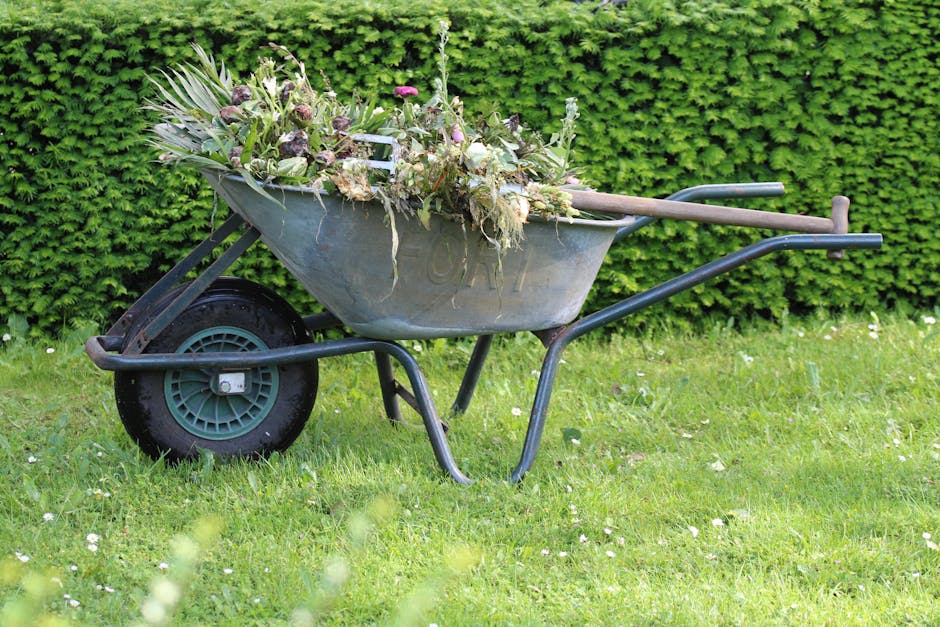
Avoid common garden maintenance mistakes Downham gardeners warn
If your garden keeps looking tired no matter how much effort you put in, you are not alone. Many homeowners make the same small maintenance mistakes week after week, then wonder why the lawn thins out, the hedge turns ragged, or the beds start to feel a bit neglected. Downham gardeners warn that the biggest problems usually do not come from one dramatic error. They come from habits that seem harmless in the moment.
This guide breaks down the most common garden maintenance mistakes, why they matter, and what to do instead. You will get practical advice, a simple step-by-step approach, a realistic checklist, and a few local-minded pointers that make sense for everyday gardens in and around Downham. Let's face it, gardens rarely fail because of one big disaster. It's usually the small stuff.
Table of Contents
- Why these mistakes matter
- How good garden maintenance works
- Key benefits and practical advantages
- Who this is for and when it makes sense
- Step-by-step guidance
- Expert tips for better results
- Common mistakes to avoid
- Tools, resources and recommendations
- Law, compliance, standards and best practice
- Options, methods, and comparison table
- Case study or real-world example
- Practical checklist
- Conclusion
- Frequently asked questions
Why these mistakes matter
Garden maintenance sounds straightforward until a few missed details start stacking up. A hedge left too long can become woody and uneven. A lawn cut too short can struggle in warm or dry spells. A flower bed that is constantly watered on the surface may never develop strong roots. Each mistake creates another one after it, and the garden begins to look harder to manage than it really is.
That is why Downham gardeners warn against treating maintenance as a quick tidy-up. Good upkeep is about rhythm, timing, and knowing what not to do. A garden that is managed well usually needs less effort over time. Strange but true.
There is also the practical side. Poor maintenance can increase trip hazards, create blocked paths, encourage pest issues, and make routine jobs more time-consuming. If you have decking, borders, hedges, or a lawn that gets used regularly, small mistakes can affect safety as well as appearance. For a broader look at ongoing upkeep, it can help to review a professional garden maintenance service alongside the rest of your outdoor care plan.
Expert summary: The best-maintained gardens are not the ones with the most effort. They are the ones where tasks are done in the right order, at the right time, and at the right level.
How good garden maintenance works
Proper garden maintenance works because it follows the way plants actually grow. Grass, hedges, shrubs, and trees all respond differently to cutting, feeding, watering, and seasonal changes. If you treat them all the same, something usually suffers.
In simple terms, a well-run maintenance routine usually covers five areas:
- Observation: spotting changes early, like yellowing leaves, moss, bare patches, or uneven growth.
- Timing: mowing, pruning, feeding, and clearing debris when the plant is ready, not just when you have a free hour.
- Balance: not overdoing water, fertiliser, or cutting.
- Consistency: small regular tasks are better than one huge rescue job every few months.
- Safety: using the right tools and working carefully, especially with ladders, sharp blades, or heavy cuttings.
For example, a hedge that is trimmed little and often tends to hold shape better than one hacked back once it has burst far beyond its boundary. If hedges are a big part of your outdoor space, a dedicated hedge trimming service can help keep growth controlled without stressing the plant.
There is also a seasonal element. Spring and early summer often bring fast growth, while autumn brings leaf fall and wetter ground. Winter is the time when some jobs should be reduced rather than increased. That may sound obvious, yet it is exactly where many people go wrong.
Key benefits and practical advantages
Avoiding common maintenance mistakes does more than make a garden look neat. It changes how the whole space behaves.
- Healthier plants: roots, stems, and leaves are less likely to be stressed.
- Better kerb appeal: the garden feels tidy, cared for, and lived in rather than neglected.
- Lower repair costs: fewer plant losses, less lawn damage, and less need for recovery work.
- Safer outdoor spaces: fewer slippery patches, tangled edges, or obstructed paths.
- Less weekend drudgery: a manageable routine is easier to stick with.
There is something quietly satisfying about a garden that stays in control. You hear the mower, smell fresh cut grass, and the whole place just feels easier to be in. Not dramatic. Just better.
And if your garden has got away from you a bit, a proper reset can make all the difference. In that case, pairing routine upkeep with a one-off garden clearance can give you a clean starting point rather than trying to fix everything in stages.
Who this is for and when it makes sense
This advice is useful for almost anyone with an outdoor space, but it is especially relevant if you:
- look after a family garden with a lawn, hedges, and mixed planting
- have inherited a garden that is a little overgrown or patchy
- want to reduce the time spent on repetitive weekend jobs
- are trying to keep on top of a property between seasons
- have recently had landscaping work done and want to protect the result
It also makes sense if you are deciding whether to manage things yourself or bring in help. Some jobs are simple enough to do alone. Others, such as larger tree work or recurring boundary maintenance, are easier and safer with professional support. If your layout is changing or you are thinking about a bigger refresh, it may be worth looking at landscape gardening or wider landscaping options so the maintenance plan fits the design, not the other way round.
If you're looking at the garden and thinking, "Where do I even start?", that is usually the sign to reset the routine before things become more expensive to fix.
Step-by-step guidance
Here is a straightforward way to avoid the mistakes most often seen in everyday gardens.
1. Walk the garden before you do anything
Look for overgrowth, poor drainage, bare patches, blocked access routes, and plants growing too close together. A slow five-minute walk tells you more than rushing in with the mower. It sounds simple because it is.
2. Decide what needs attention first
Prioritise safety and plant health before appearance. For instance, a slippery path edged with wet leaves should come before decorative trimming. A hedge blocking light may need attention before ornamental tidying.
3. Match the job to the season
Do not prune everything just because it looks messy. Some plants tolerate harder cuts better at certain times of year. Others do not. If in doubt, lighter and more frequent maintenance is usually safer than harsh, infrequent cutting.
4. Use the right cutting height and technique
With grass, cutting too short is one of the most common mistakes. With hedges, removing too much at once can leave gaps and bare wood. With shrubs, a rough or uneven cut can distort future growth. Slow down a little. The garden will forgive patience.
5. Clear debris properly
Leaving clippings, fallen branches, and rotting leaves in the wrong places can smother borders and create damp pockets. Composting some waste is fine if it is suitable, but not every pile of cuttings belongs in the same place. If the garden has become cluttered, a garden clearance can remove the buildup quickly and make the next round of maintenance far easier.
6. Check back after a few days
One of the quiet advantages of regular care is that you can notice what changed after the work was done. Did the hedge look balanced? Did the lawn recover? Did one border dry out too fast? These small observations help you avoid repeating mistakes.
Expert tips for better results
In our experience, the gardens that stay in good shape are usually the ones with a few very ordinary habits done well. Nothing fancy.
- Keep blades sharp. Dull mower blades tear grass rather than cutting it cleanly, which can leave the lawn looking ragged.
- Do a little, often. Frequent light maintenance is less stressful for plants than big correction jobs.
- Work from the edges inward. That keeps paths, borders, and boundaries under control before the main bed gets attention.
- Watch for compacted soil. If water pools or the lawn looks flat and tired, the ground may need aeration rather than more watering.
- Do not ignore hedges for too long. Once a hedge becomes woody or wildly overgrown, it can be harder to restore shape neatly.
There is also a sensible "stop and assess" habit that saves time. If a job is getting larger than expected, or if there is a risk of damaging mature roots, fences, or paving, pause. The extra ten minutes is usually worth it.
A slightly messy truth? Most overgrown gardens were once manageable. They just drifted there, bit by bit.
Common mistakes to avoid
These are the ones Downham gardeners see again and again.
Cutting the lawn too short
Scalping the grass weakens it, exposes soil, and encourages weeds and dry patches. It may look "tidy" for a day, then decline fast.
Watering too often, but too shallowly
Frequent light watering can train roots to stay near the surface. That leaves plants more vulnerable during dry periods. Deep, less frequent watering is often better.
Pruning at the wrong time
Some plants cope with heavier cuts. Others resent them. If flowering shrubs are cut at the wrong point, you can remove next season's blooms without meaning to.
Ignoring hedge shape until it becomes a problem
Hedges are easiest to manage when trimmed before they become oversized. Letting them run away makes future work slower and sometimes more costly.
Leaving clippings and leaf litter in place
A light layer can sometimes be useful, but heavy build-up suffocates grass and beds. It also makes pests and damp patches more likely.
Using the wrong tool for the job
Trying to force one tool to do everything usually ends badly. A mower is not a strimmer, and a basic hand saw is not suitable for bigger tree work.
Neglecting larger woody growth
When branches, stems, or tree limbs become too large, maintenance turns into a safety issue. That is the point where a service such as tree lopping and removal becomes more appropriate than DIY guesswork.
Forgetting the hard landscaping around the garden
Decking, edging, and access routes need care too. Dirty or slippery surfaces can make the whole space feel tired. If you are planning improvements as well as maintenance, the overall flow of the garden matters more than people think. A neat lawn with awkward access still feels awkward.
Tools, resources and recommendations
You do not need a shed full of specialist kit to avoid common mistakes. You do need reliable basics.
| Task | Useful tool or approach | Why it helps |
|---|---|---|
| Lawn care | Well-maintained mower, edging tool, rake | Produces a cleaner finish and reduces scalping |
| Hedge trimming | Sharp hedge trimmer, gloves, eye protection | Makes shaping safer and more accurate |
| Leaf and debris removal | Rake, garden sacks, wheelbarrow | Prevents build-up and keeps paths clear |
| Border tidying | Hand shears, secateurs, kneeling pad | Gives more control around delicate plants |
| Large clearances | Specialist help or proper waste plan | Reduces risk and saves time on bigger jobs |
If you want to keep maintenance consistent rather than reactive, a service overview can help you compare what belongs in regular upkeep and what is better handled as a separate project. The services overview is a sensible starting point if you are mapping out the bigger picture.
It is also worth checking how a provider handles access, scheduling, payment, and waste. For instance, information on pricing and quotes, payment and security, and recycling and sustainability can tell you a lot about how organised a service is before you book anything.
Law, compliance, standards and best practice
For everyday garden care, the main point is simple: work safely and responsibly. If you are handling ladders, power tools, heavy cuttings, or larger branches, best practice matters just as much as appearance. Wear suitable protective equipment, follow manufacturer guidance for tools, and do not take unnecessary risks to save a few minutes.
If you are arranging work through a professional team, it is sensible to check how they approach health and safety and insurance and safety. That does not mean turning the whole thing into a paperwork exercise. It just means you know the job is being handled with care.
There are also environmental considerations. Garden waste should be managed in a way that is tidy and responsible, especially after bigger cuts or clearances. If sustainability is important to you, it is reasonable to ask how clippings, branches, and other green waste are handled.
And one practical note: if you are uncertain about a large tree, unstable branch, or access near boundaries, avoid improvising. That is exactly where professional judgement is worth having.
Options, methods, and comparison table
Not every garden needs the same maintenance style. Some do well with simple DIY routines. Others benefit from a mixed approach. Here is a quick comparison.
| Approach | Best for | Pros | Trade-offs |
|---|---|---|---|
| DIY routine care | Small to medium gardens with simple layouts | Flexible, low ongoing cost, familiar | Easy to miss seasonal timing or bigger issues |
| Occasional professional support | Gardens that need periodic resets | Helps with difficult jobs, saves time | Requires scheduling and budget planning |
| Regular planned maintenance | Busy households, larger gardens, rental properties | Consistent results, fewer surprises | Needs commitment and clear expectations |
For many people, the most practical answer is a hybrid. Do the light weekly tasks yourself, then bring in help for cutting back hedges, clearing overgrowth, or handling larger outdoor projects. If your garden has both planting and hard surfaces, combining maintenance with decking services or broader landscaping work can make the whole space easier to look after.
Case study or real-world example
Here's a simple real-world style example. A typical small family garden might look fine from the kitchen window but slowly start slipping: the lawn gets cut a little too short each time, the hedge is trimmed only when it feels intrusive, and leaves gather along the side return because nobody wants to deal with them. By late autumn, the garden looks twice the work it really is.
The fix is usually not heroic. It starts with one proper reset: clearing cuttings, correcting the lawn height, trimming back the hedge in stages, and removing the mess around the borders. Then the maintenance schedule becomes smaller and steadier. By the next month or two, the garden stops fighting back.
That kind of turnaround is common. Not glamorous, but very real. You can almost feel the space breathe again once the overgrowth is gone and the shapes are clear.
On larger or more cluttered plots, the same principle applies, just with more emphasis on safety and waste management. That is where a one-off tidy can become the foundation for proper ongoing care.
Practical checklist
Use this before and after your next maintenance session.
- Walk the garden and note what looks unhealthy, overgrown, or unsafe.
- Check whether the work is seasonal and whether any plant should be left alone.
- Confirm your mower, shears, and trimmer blades are clean and sharp.
- Cut lawns at a sensible height rather than taking off too much at once.
- Trim hedges lightly and regularly instead of waiting for them to become unruly.
- Remove clippings, fallen leaves, and loose branches from paths and beds.
- Look for signs of compacted soil, drainage problems, or patchy growth.
- Keep access routes clear and watch for slippery surfaces.
- Decide whether any larger job needs professional support.
- Review what worked so you do not repeat the same mistake next time.
Quick takeaway: the best garden maintenance is calm, regular, and a bit boring in the nicest possible way. That is usually a good sign.
If you are ready to tidy things up properly and want a clearer idea of what it might involve, start with the about us page to understand the approach, or move straight to contact us when you want to discuss your garden needs in more detail.
Get a free quote today and see how much you can save.
Conclusion
Avoiding common garden maintenance mistakes is less about perfection and more about making steady, sensible choices. Cut less aggressively. Clear waste properly. Match the job to the season. Keep an eye on safety. Do those things and your garden will usually repay you with better growth, fewer headaches, and a much calmer weekend.
Downham gardeners warn because they have seen the same pattern many times: good gardens rarely collapse all at once, they drift. The good news is that drift works both ways. Small good habits add up too.
So whether your space is a neat front garden, a busy family back garden, or a larger plot that needs a proper reset, you are not starting from zero. One careful step at a time is enough. And honestly, that is often how the nicest gardens are kept.
Frequently Asked Questions
What is the most common garden maintenance mistake?
Cutting too much at once is one of the most common mistakes, especially with lawns and hedges. It can stress the plant, leave the garden looking patchy, and create more work later.
How often should a garden be maintained?
That depends on the size of the garden and how quickly it grows, but most outdoor spaces benefit from light, regular upkeep rather than long gaps between big jobs.
Is it better to mow the lawn short for a neat finish?
No, not usually. Short mowing can weaken the lawn and make it more vulnerable to heat, weeds, and bare patches. A moderate height is generally healthier.
When should hedges be trimmed?
Hedges are often best trimmed lightly and regularly during the growing season, but the exact timing depends on the hedge type. If you are unsure, avoid harsh cuts until you know the plant's needs.
Should I clear all leaves from the garden?
Not always. Leaves on paths and lawns should be removed, but some leaf matter can be useful in the right place, such as in certain borders or compost systems. Heavy build-up should still be cleared.
Can I do all garden maintenance myself?
Some people can, yes. But larger hedges, mature trees, awkward access areas, and heavy clearance jobs are often safer and easier with professional support.
What are the signs that my garden needs a reset rather than routine care?
If paths are blocked, hedges are out of shape, the lawn is uneven, and debris has built up in several places, a reset may be more sensible than trying to tidy around the mess.
Is garden clearance the same as regular maintenance?
No. Maintenance is ongoing care. Clearance is usually a bigger one-off job to remove overgrowth, waste, or clutter before normal upkeep can begin again.
Do I need professional help for tree work?
If branches are large, awkward, high up, or close to structures, professional help is wise. Tree work can become hazardous quite quickly, especially if access is limited.
How do I keep maintenance costs down?
The simplest way is to avoid letting jobs get too big. Regular care is usually cheaper than major recovery work, because it prevents problems from building up.
What should I check before hiring a garden service?
Look at how they handle safety, insurance, payment, and sustainability. It is also helpful to understand the range of services they provide so you can match the job to the right kind of support.
What if I only need help once or twice a year?
That is very common. Many gardens only need seasonal support, a clear-out, or hedge work at specific times. A flexible approach is often enough.